Types of Packaging Materials
There are many types of packaging materials available on the market today. Some of the most common include custom boxes, plastic bags, glass containers, and metal cans.
Each type of material has its benefits and drawbacks. Custom boxes, for example, are often used for high-end products or fragile items that need extra protection.
Glass containers are ideal for food or beverage products that need to be kept fresh. And metal cans are often used for products with a long shelf life.
The Most Common Package Types
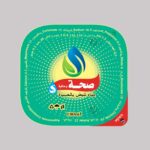
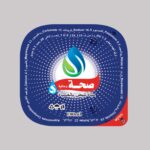
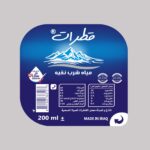
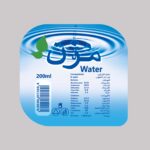
The most common types of packages are corrugated boxes, folding cartons, glass bottles, metal cans, flexible pouches, and labels.
Corrugated boxes are made of paperboard laminated with a fluted layer of paper in between. Folding cartons are also made of paperboard, but they have a glued seam that allows them to be easily folded into shape.
Glass bottles are made of glass, obviously, and metal cans are made of aluminum or steel. Flexible pouches are usually made of plastic or foil; labels can be made of paper, plastic, or foil.
Offset Printing
Offset printing is a great option if you need to print many copies at once. It can be cost-effective when you have high volumes, but you’ll have to factor in extra costs if you need an order of 100 or more.
Digital Printing
Digital printing is good for companies who want high-quality prints in smaller quantities (usually less than 250). The only major disadvantage of this method is that it typically takes longer than other options.
Screen Printing
Screen printing works well when looking for specific colors or a multi-color effect because screens allow ink to be applied in layers while they’re still wet.
What are the key factors driving the Packaging Printing market?
The increase in global trade of perishable goods has been a key driver for the packaging printing market.
The expansion of the number of SKUs and the need for product differentiation have also driven the packaging printing market.
The rise in e-commerce and the need for better product presentation has also been key driver for the packaging printing market.
The increase in environmental regulations and the need for sustainable packaging has also been key driver for the packaging printing market.
The advancement of technology has also allowed for more innovative and cost-effective solutions in packaging printing.
The increased demand from developing countries has also been a key driver for the packaging printing market.
One challenge faced by the Packaging Printing Market is that it faces high competition from other markets such as food & beverage, pharmaceuticals, and cosmetics.
Another challenge faced by the Packaging Printing Market is that many companies are shifting to digital packaging printers due to their lower costs and higher efficiency than traditional offset presses.
To compete with digital print companies, traditional offset press companies have lowered their prices drastically but still face challenges because they require large upfront investments and less flexibility than digital printers do.
Conclusion
The printing and packaging industry provides an important service to businesses and consumers. This industry plays a vital role in the economy, providing jobs for millions of people worldwide.
The products produced by this industry are essential to our way of life, and we rely on them daily. The printing and packaging industry is an important part of our world, and it is here to stay
Web server is down Error code 521
Visit cloudflare.com for more information.
2026-04-04 10:33:05 UTC
What happened?
The web server is not returning a connection. As a result, the web page is not displaying.
What can I do?
If you are a visitor of this website:
Please try again in a few minutes.
If you are the owner of this website:
Contact your hosting provider letting them know your web server is not responding. Additional troubleshooting information.